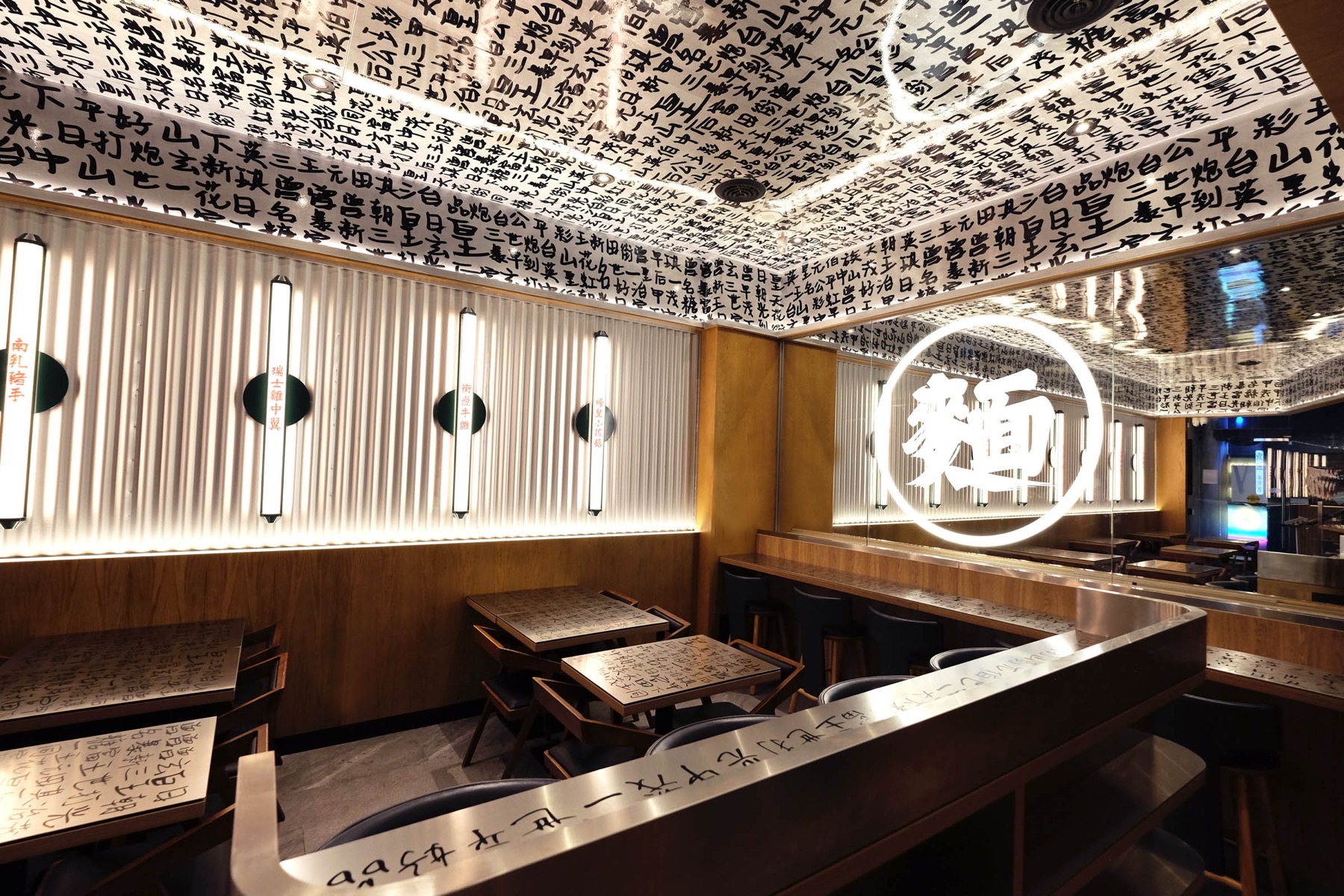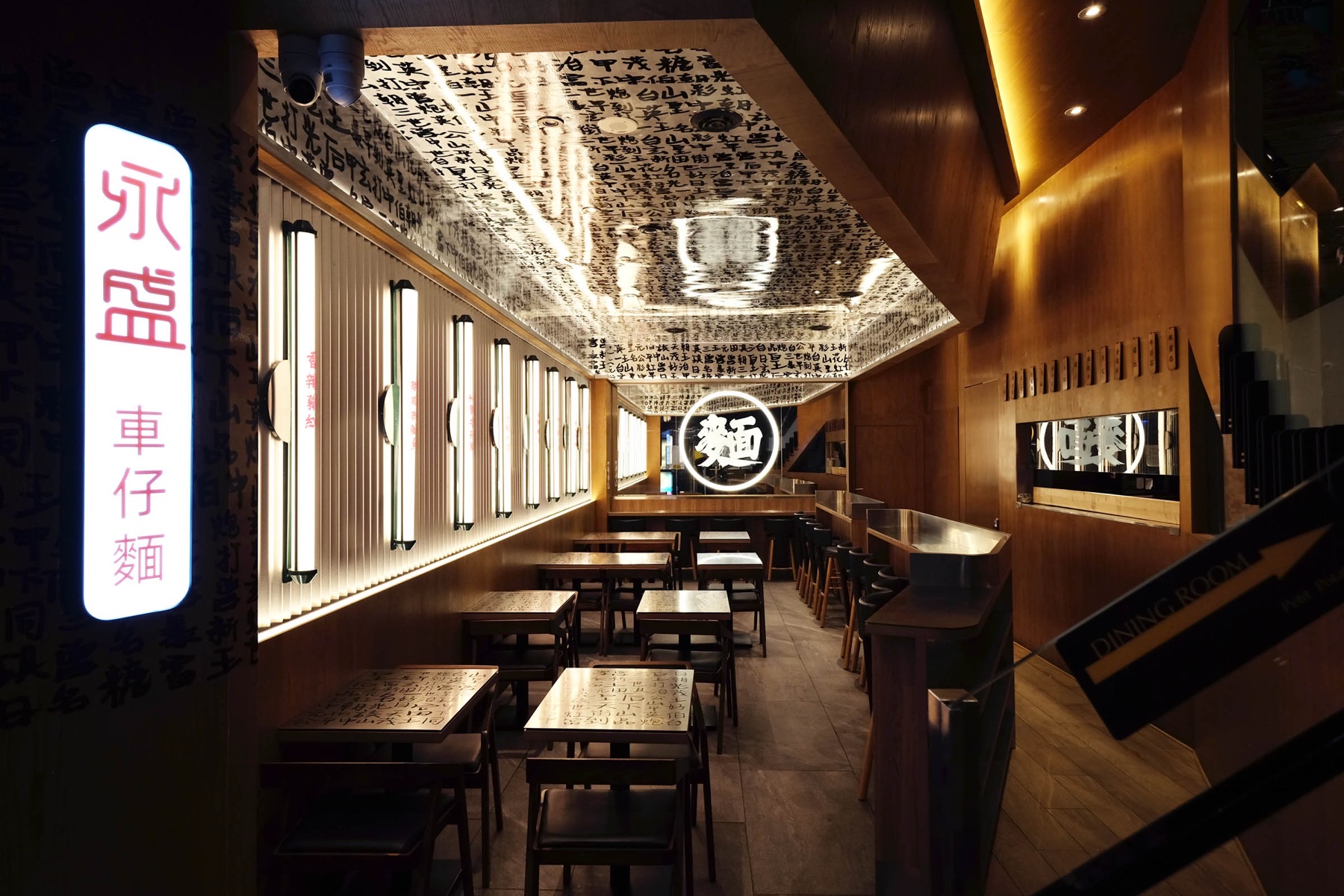
Hong Kong street culture, turned into a contemporary noodle bar.
Concept
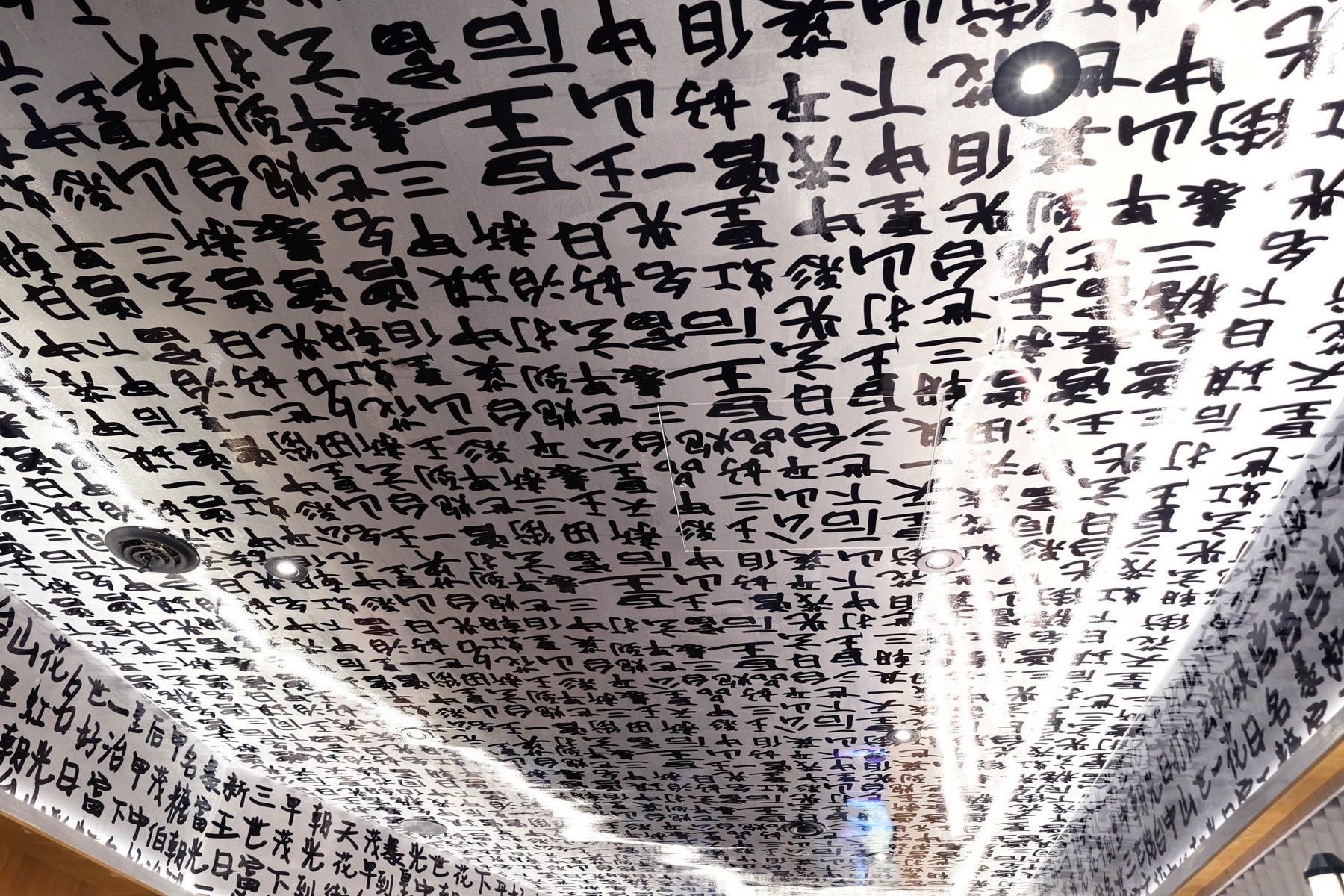
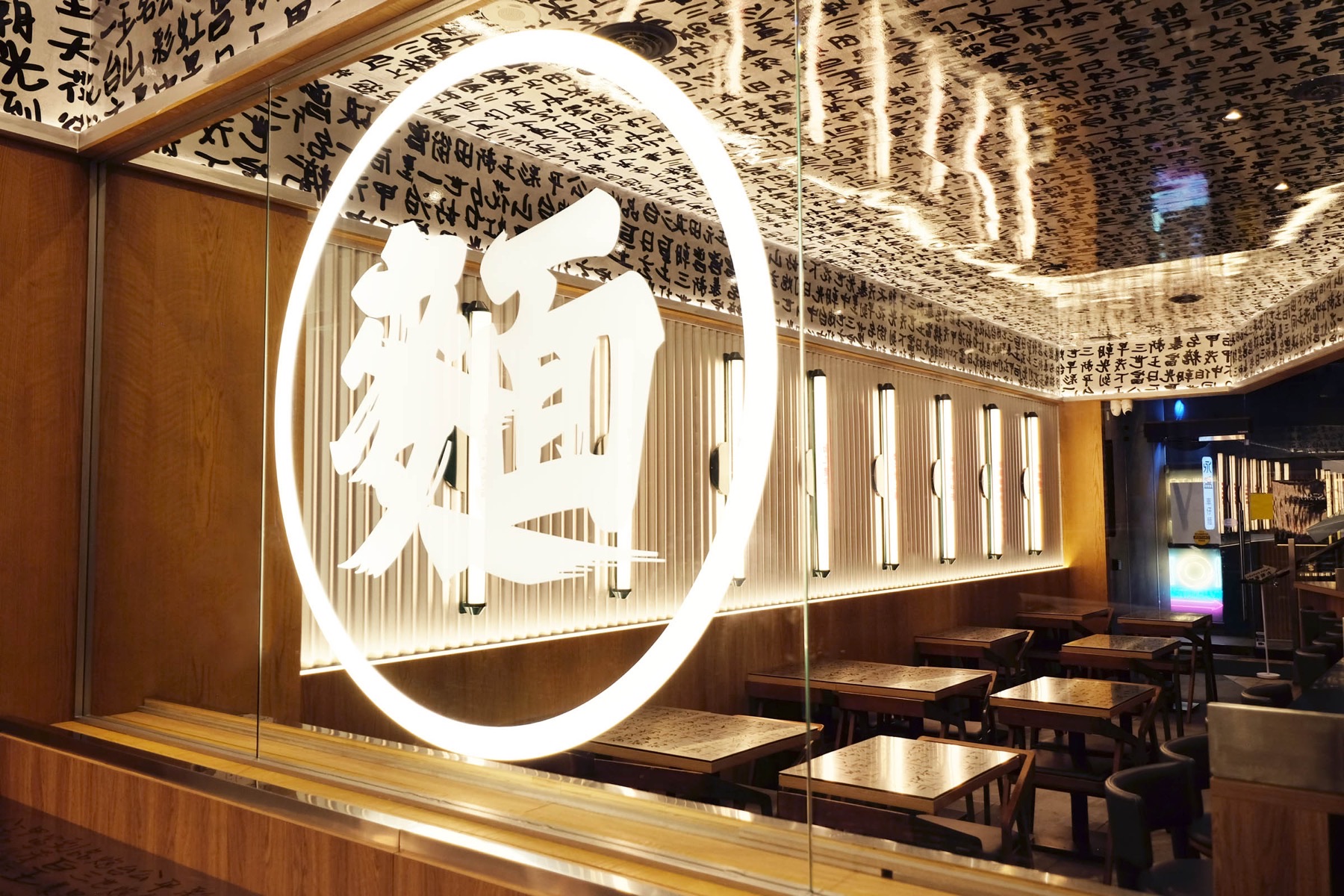
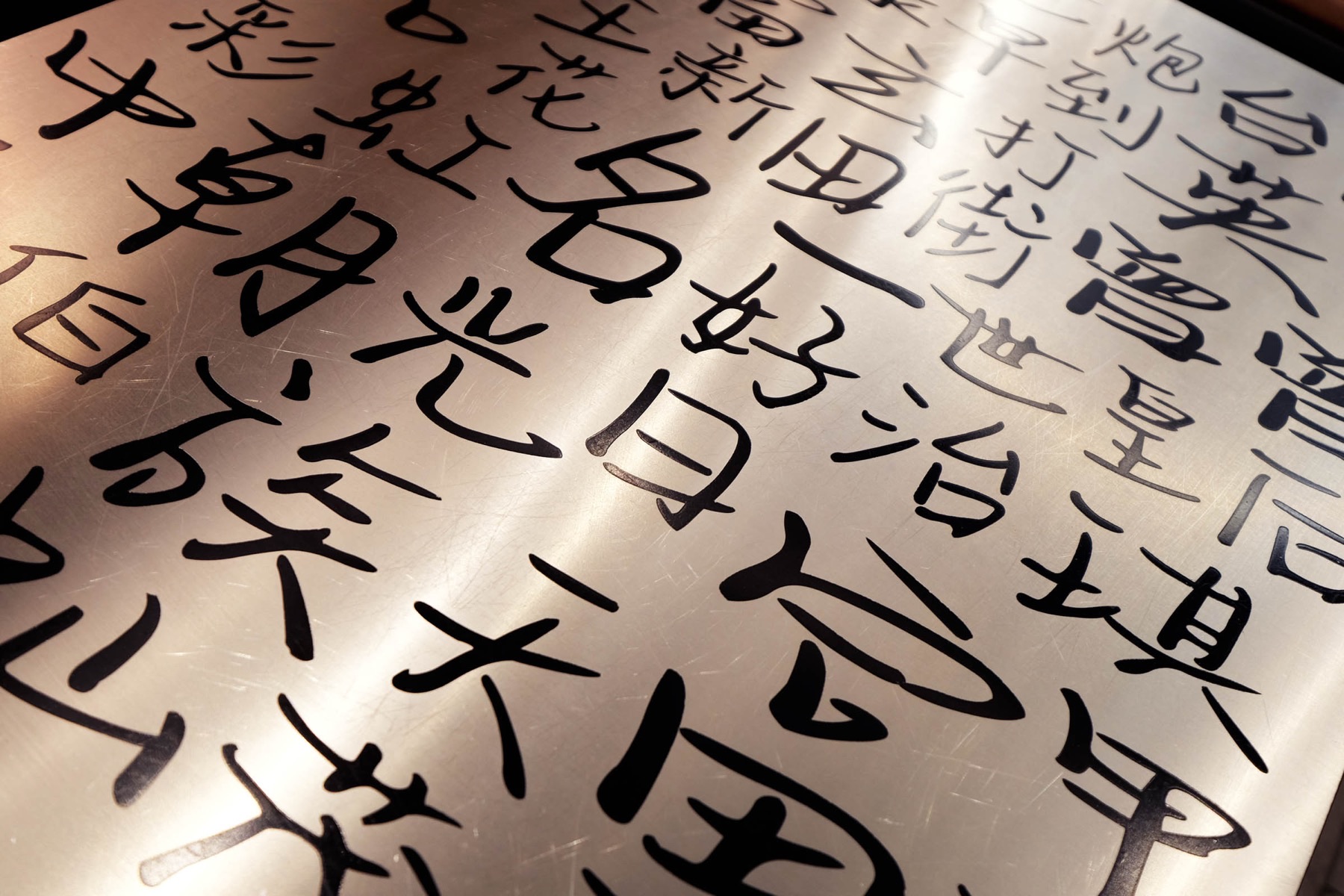
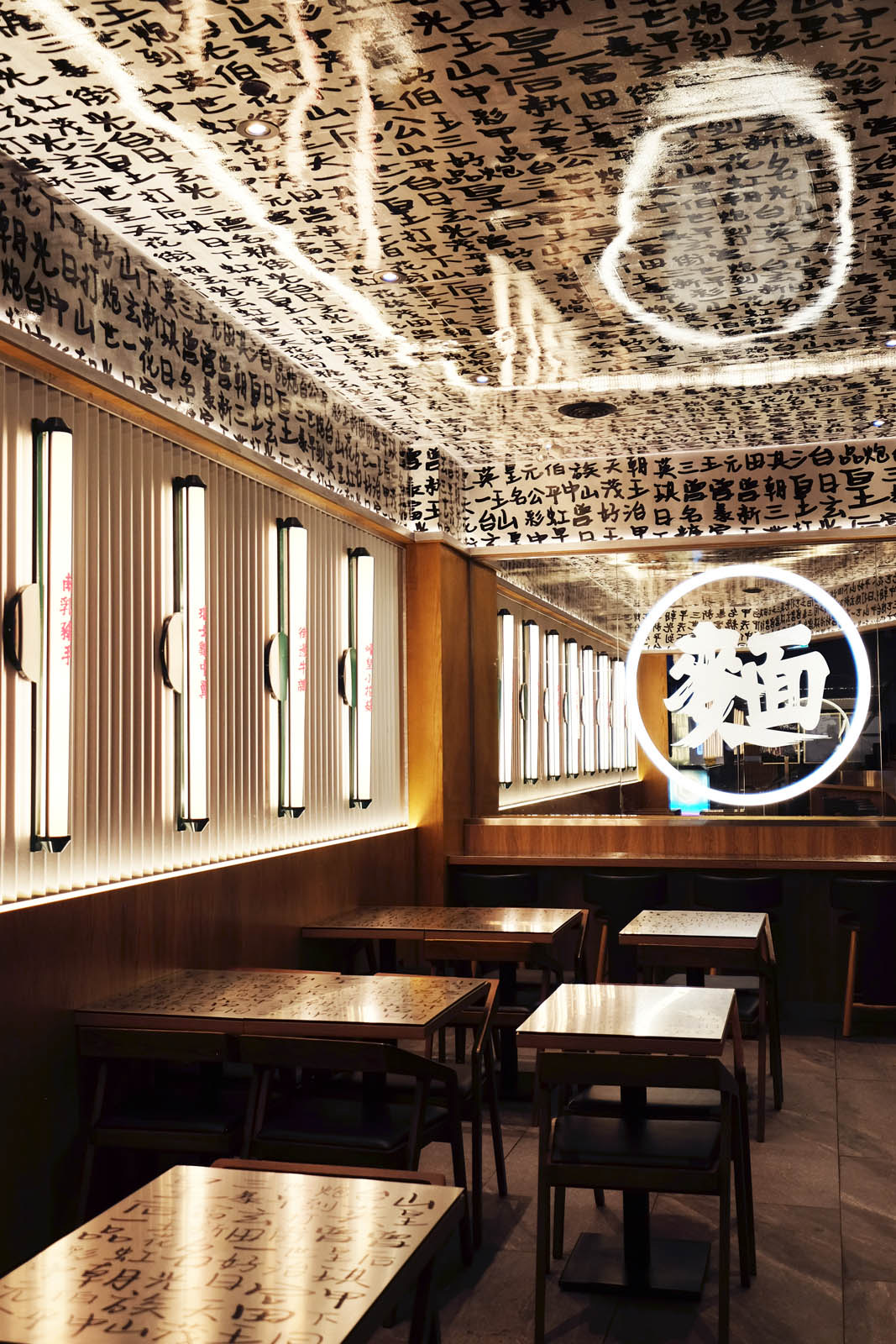
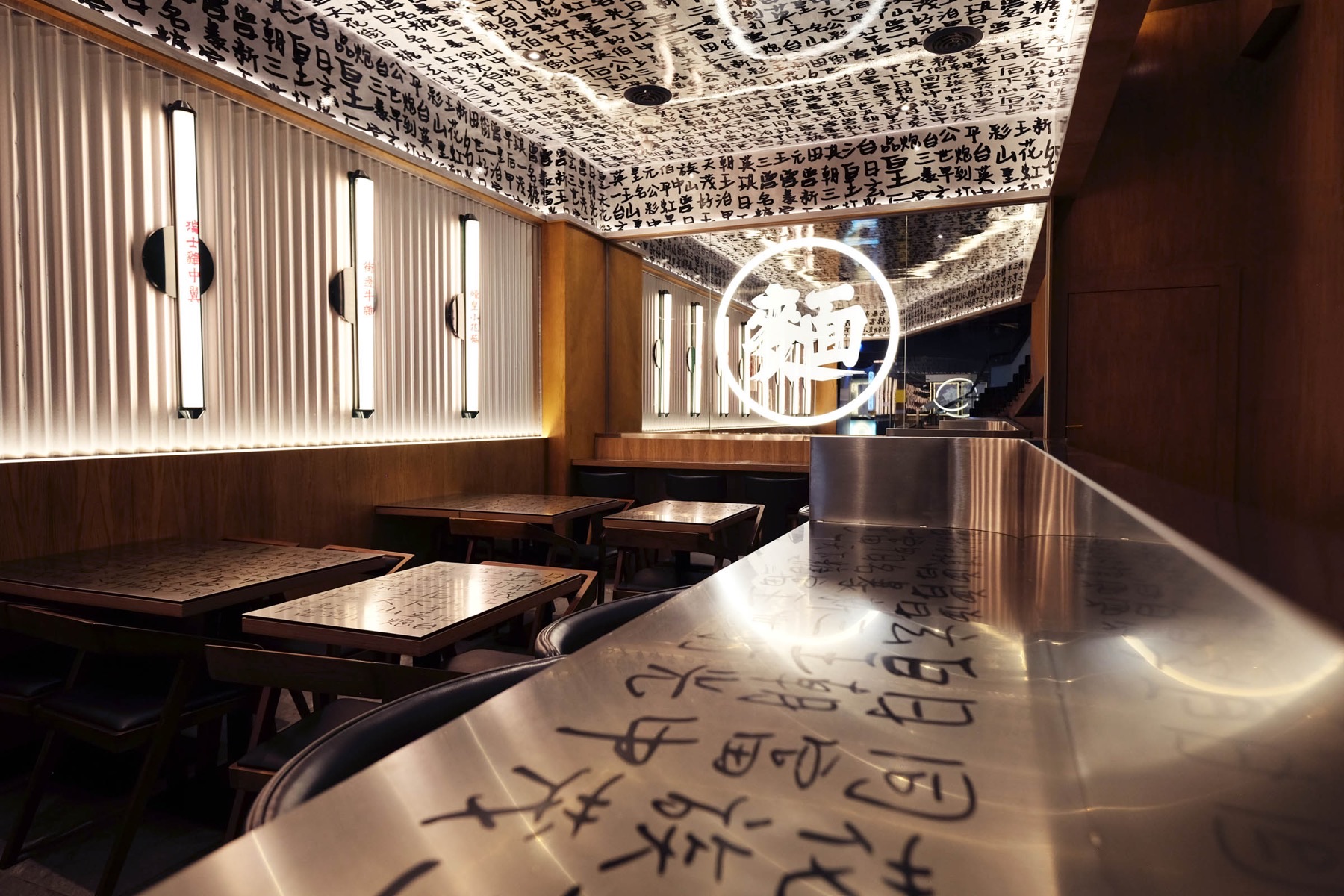
Inspired by the iconic calligraphic graffiti of Tsang Tsou Choi, widely known as the King of Kowloon, the project draws from a distinctive visual expression of Hong Kong’s urban identity. Once found across the city’s streets and public surfaces, his spontaneous inscriptions have evolved into significant cultural artifacts. By reinterpreting this instantly recognizable language, Petite Noodle Bar transforms a once-ephemeral street phenomenon into an immersive architectural narrative, celebrating the character, memory, and cultural imprint of old Hong Kong.
Solution
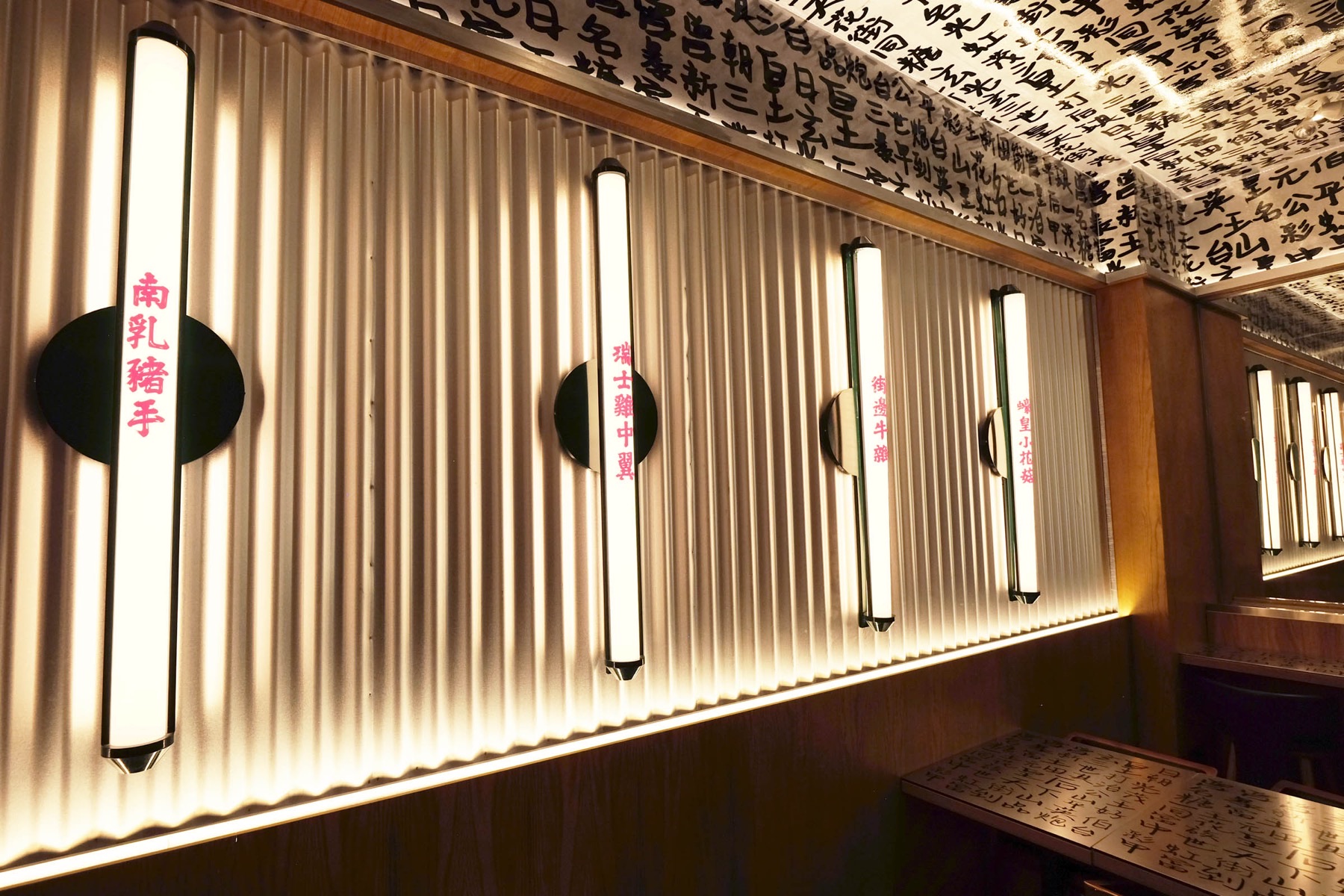
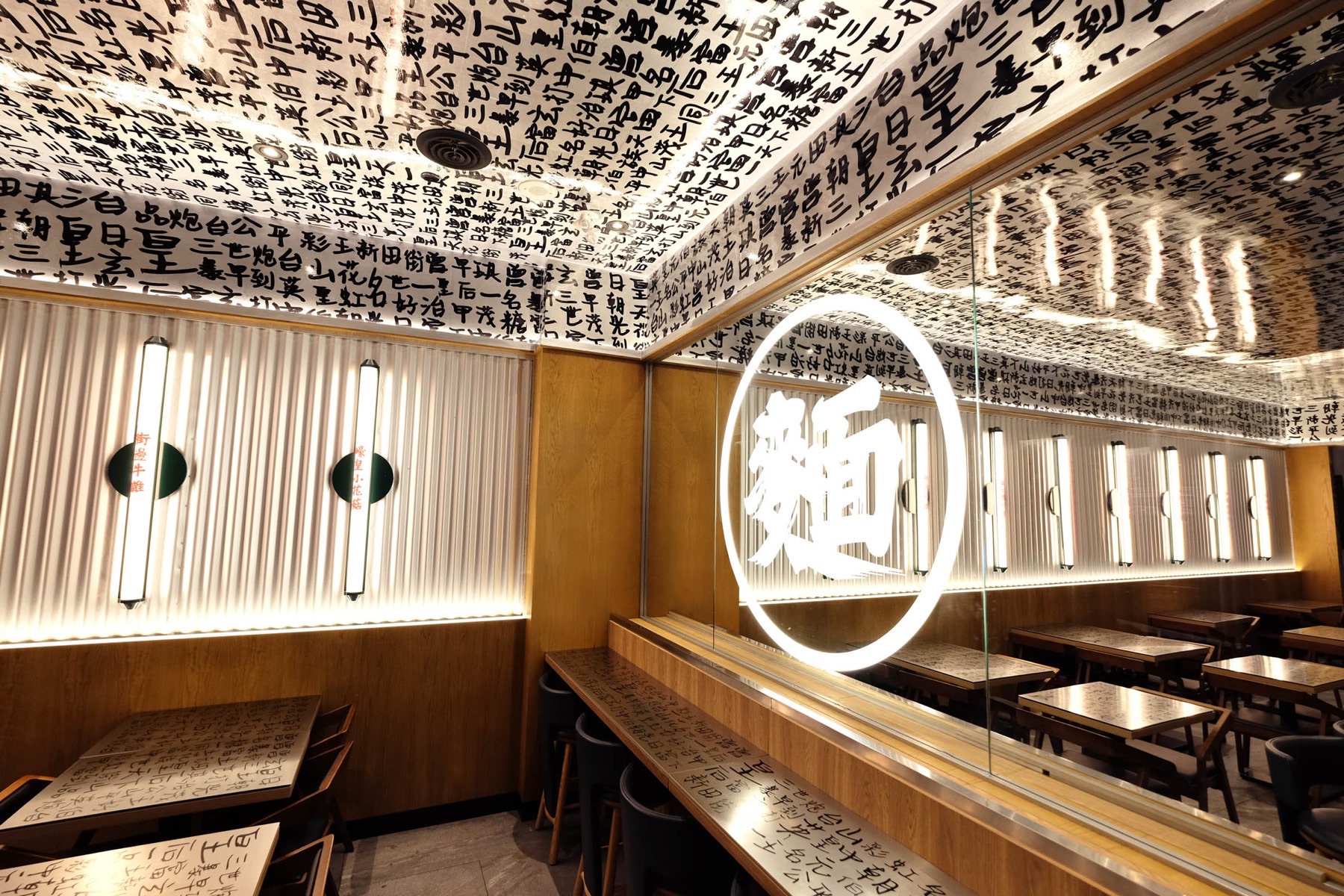
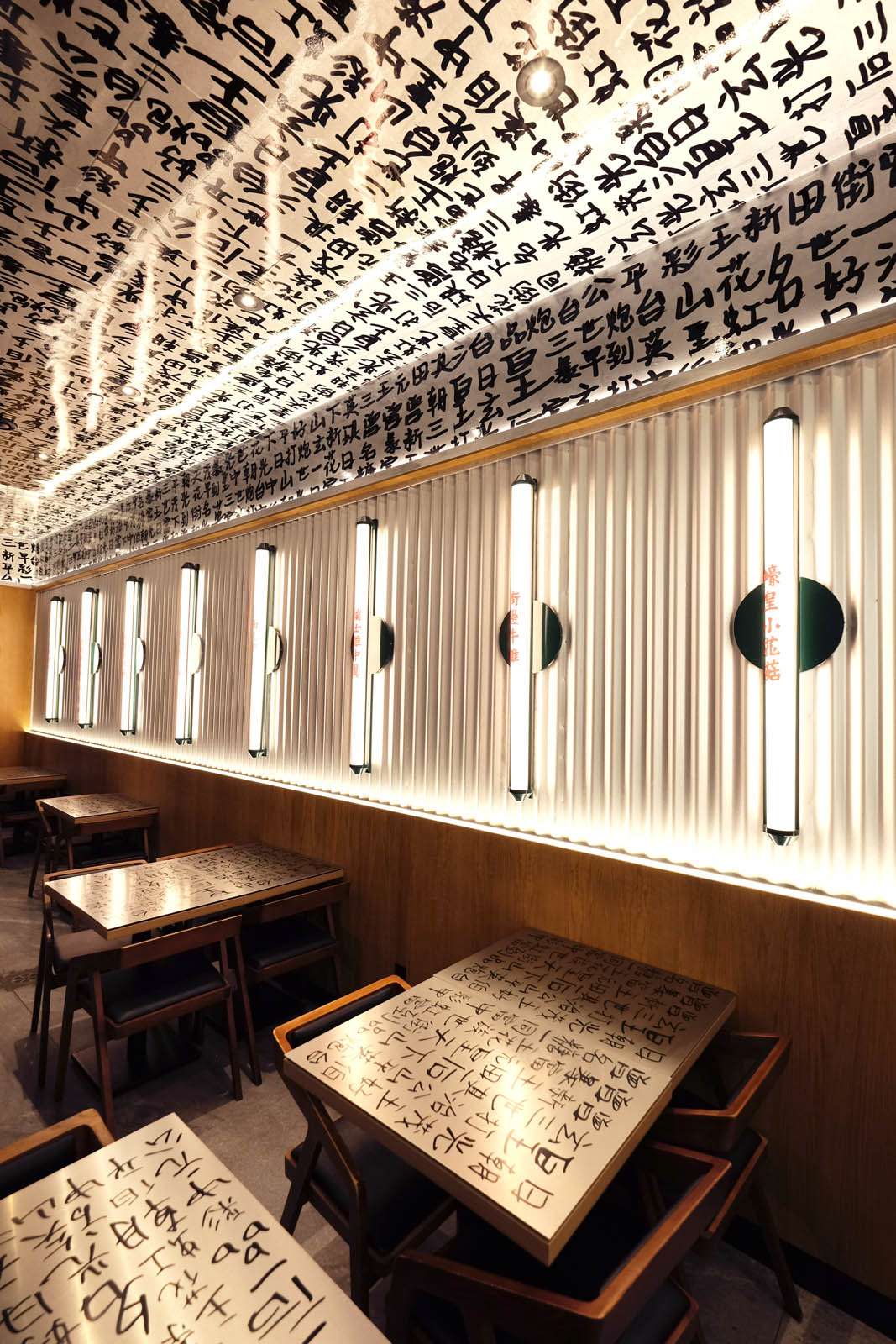
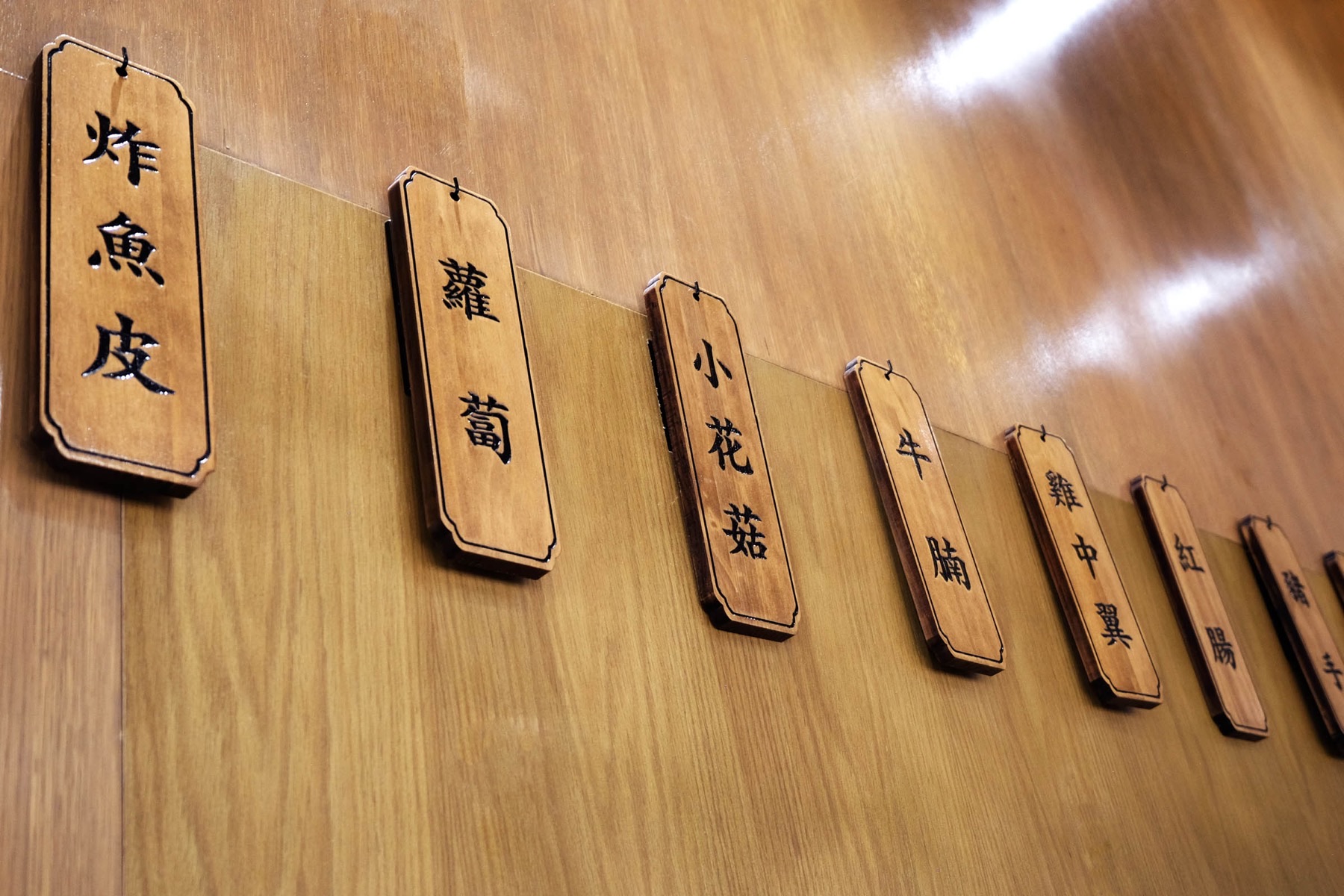
Tsang Tsou-choi’s signature calligraphic language is replicated and multiplied throughout the space, creating a bold, continuous visual motif that becomes impossible to overlook. Layered across the interior, the inscriptions transform walls and surfaces into a contemporary expression of Hong Kong’s street culture. Green-tinted mirrors and vintage-inspired metal roofing complement the graphic intervention, introducing reflective depth and industrial character while balancing the rawness of the artwork with a refined, modern material palette.
Outcome
Petite Noodle Bar transforms Hong Kong’s street culture into an immersive dining experience, where the repeated calligraphic inscriptions establish a powerful and unmistakable cultural identity. Through the interplay of historic visual expression, nostalgic materials, and contemporary detailing, the space becomes a tribute to Hong Kong’s urban heritage, bringing a once-familiar street phenomenon into a new architectural context.